
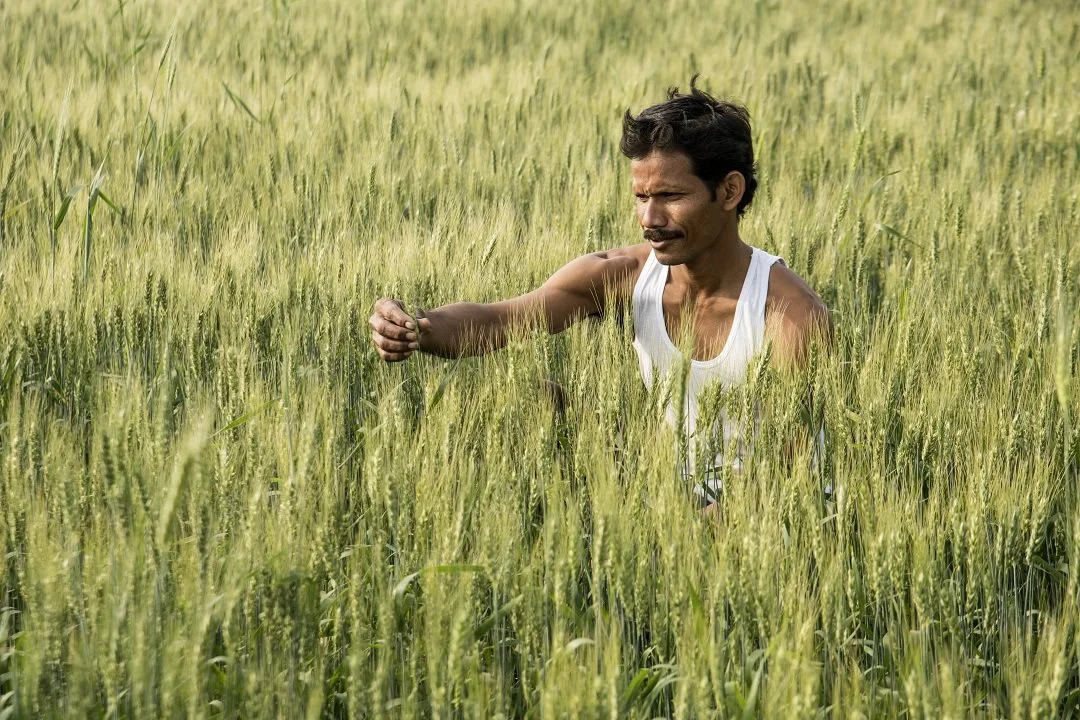
JalTara has demonstrated significant benefits, including improved farmer incomes, crop yields, as well as virtually eliminating crop spoilage due to floods.
JalTara’s impact on rural lives
For the first time in my life I was able to build a proper home – all thanks to the income I made after the JalTara project.
I named my new home “JalTara.”

- Kisanrao “Maharaj” Palve, Farmer from Palaskheda
JalTara – Saving crops from spoilage
In this short video you can see how the JalTara “one-recharge-pit-per-acre” approach helps farmers save their crops from spoilage and loss during isolated heavy rains.
This shows how one farm lost crops due to waterlogging, while an adjacent farm that had dug JalTara pits thrives.
The big upside is that JalTara pits route the excess rainwater into underground aquifers – for the inevitable lean times.
Project Validation
Over the last four years, Save Groundwater Foundation has validated the JalTara approach across ~125 water-stressed villages, digging ~65k recharge pits. These projects have demonstrated significant economic, social, and environmental benefits:
Water tables have improved YoY by 14 feet on average
Farmer incomes have increased by 120% – reducing rural poverty
Crop yields have improved by 42%
Agricultural land usage during Rabi (second) season has gone up by 58%
Labour requirements increased during Rabi by 88% – reducing forced migration
Crop spoilage due to waterlogged fields have been virtually eliminated
GIST Impact, a global social impact analysis firm, calculated that JalTara provided a one year Social Return on Capital (SROI) of over 19X.
Read the JalTara report from GIST Impact
Here is the GIST Impact study from our first set of villages – our goal is to refresh and enhance this data by continually working with the local villagers to understand the impact of the JalTara projects.