
JalTara is a massively scalable, low-cost approach to save rural farmland from both drought and floods.
The JalTara Approach
Scale is the main climate challenge for us to solve. If a solution does not have the ability for nation-scale, it is no better than a lab experiment.
Manu Namboodiri, Founder, Save Groundwater Foundation
-
Groundwater reserves are in free fall globally.
The US loses over 25 trillion liters of groundwater every year, especially across the southwest including California, Texas, and Arizona.
India is one of the worst hit nations, extracting over 25% of our scarce global groundwater resources –nearly 240 trillion liters of groundwater annually. To make matters worse, India only stores 6% of its annual rainfall and a whopping 78% of the annual monsoon rainfall flows into the ocean.
This drastic imbalance between supply and demand causes severe groundwater depletion – water tables have been dropping drastically and farmers have to dig deeper wells every year to reach the depleting aquifers. This water scarcity results in poor crop yields, soil degradation, reduced farmer incomes and mass migration out of villages.
-
Decades of chemical farming and use of heavy equipment has made the farmland earth denser and more compact. This has significantly reduced the ability of the earth to absorb water quickly – in some cases by over 80%.
Compounding the challenge is the more volatile nature of the weather – when several months worth of rain pours down in a week causing floods and crop spoilage.
Hard-packed, top layers of earth behave like concrete and make it hard for rainwater to percolate & recharge groundwater – resulting in both severe floods AND droughts.
-
The JalTara concept was sparked by the question – How do we rapidly transform the earth from impervious concrete to an absorbent sponge?
The answer was to dig “large numbers of small recharge pits” to allow rainwater to bypass the dense top layers of earth and flow down to recharge underground aquifers.
Thus the unique JalTara approach is to dig:
Simple recharge pits – About 6 ft deep, 4 ft square filled with rocks and pebbles
At the lowest point within every arable acre-plot of farm land
In very large numbers (~ 500 pits per village)
After digging nearly 65,000 such recharge pits over the last four years, we have demonstrated that JalTara improves the water table, increases farmer incomes and virtually eliminates crop spoilage due to waterlogged fields. Moreover, JalTara is the only approach that uniquely protects the farmer from both droughts AND flood related crop spoilage from heavy isolated rains.

The Jaltara Process
1. Village Selection & Prioritization
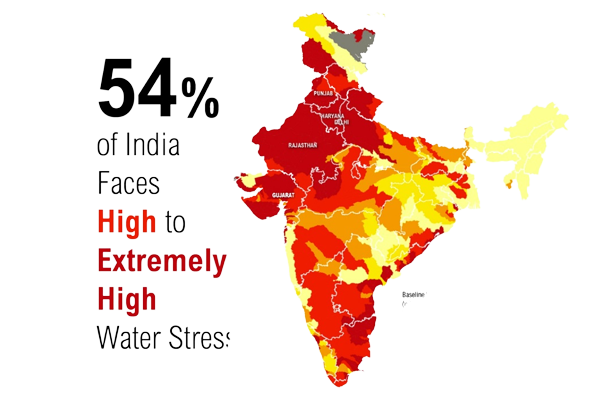
The team uses data from the both state and local governments on the level of groundwater distress—and then validates this on the ground with a mixture of field visits as well as technology. Based on this analysis, a final set of prioritized villages are selected.
Combining both high level and on-field data is critical in ensuring benefit from JalTara.
2. Hiring and Training
Having a strong and dedicated team is critical for the success of the JalTara project. We hire young energetic team members from the very villages we are working in—and put them through a rigorous training regimen and partnered with the Art of Living foundation to execute these projects on the ground.
We have observed that local ownership is critical to success when working in 45 degree weather.
3. Farmer Education & Mobilization
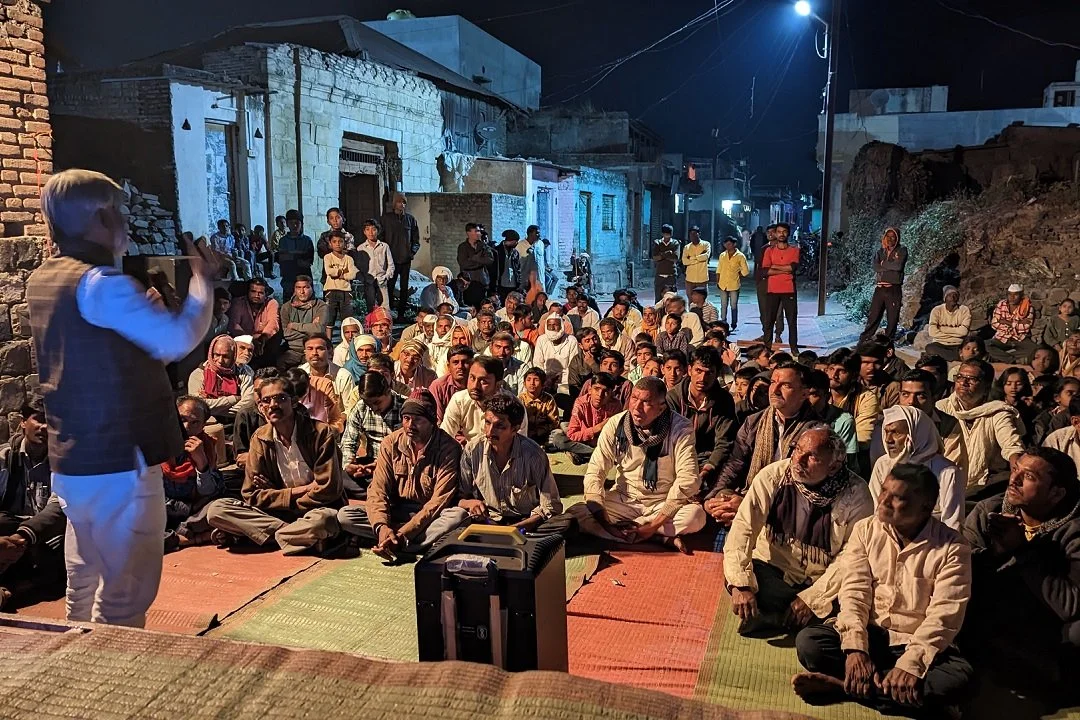
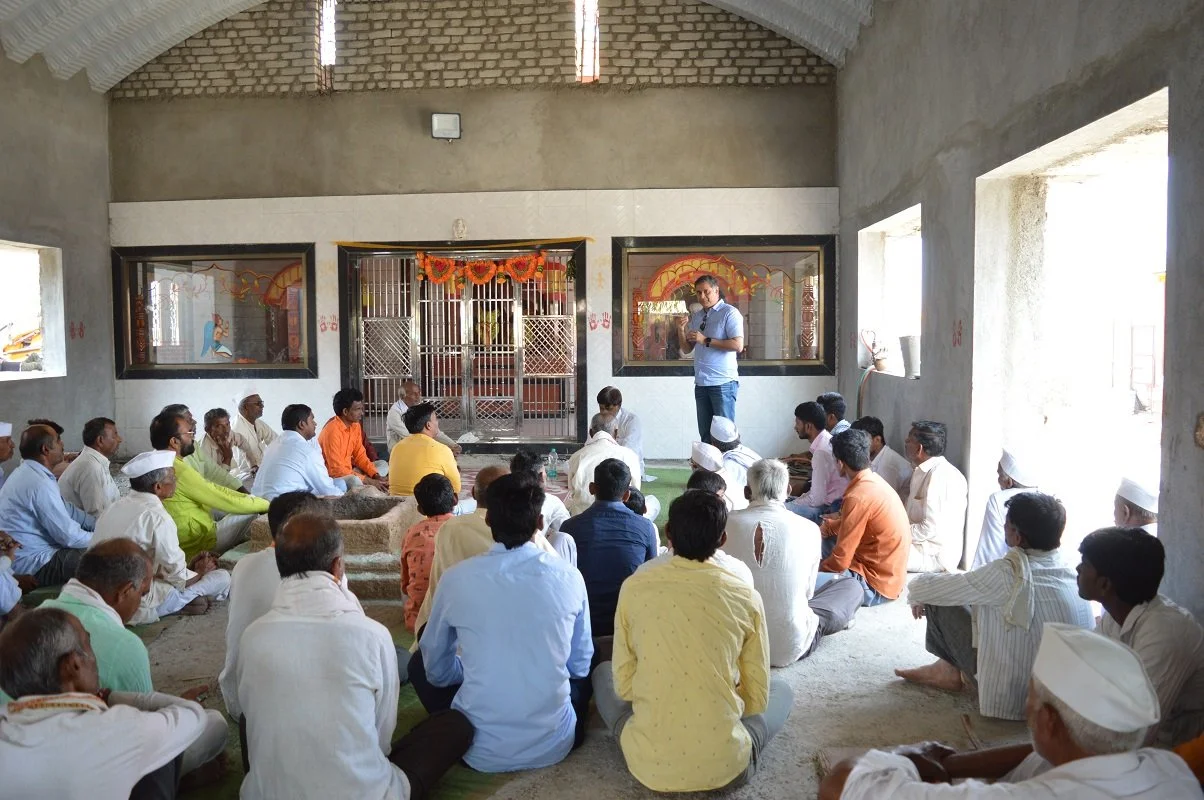
Visiting every single village and speaking with the farmers – both to understand and also to educate them about the benefits of JalTara. This 3 month process sets the stage for enrollment and enthusiasm to participate in solving their own water challenges.
The farmers have responsibility to fill the pits with rocks & stones and maintain them.
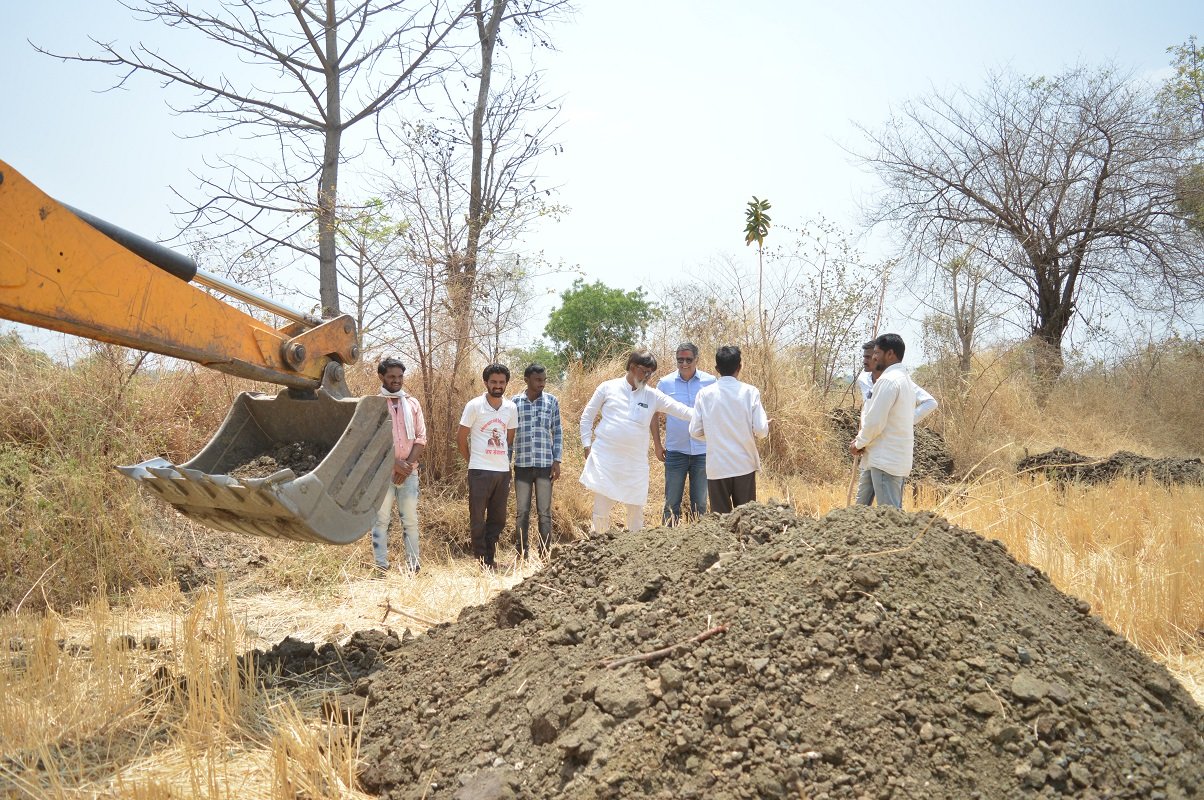
4. Digging & Filling JalTara Pits
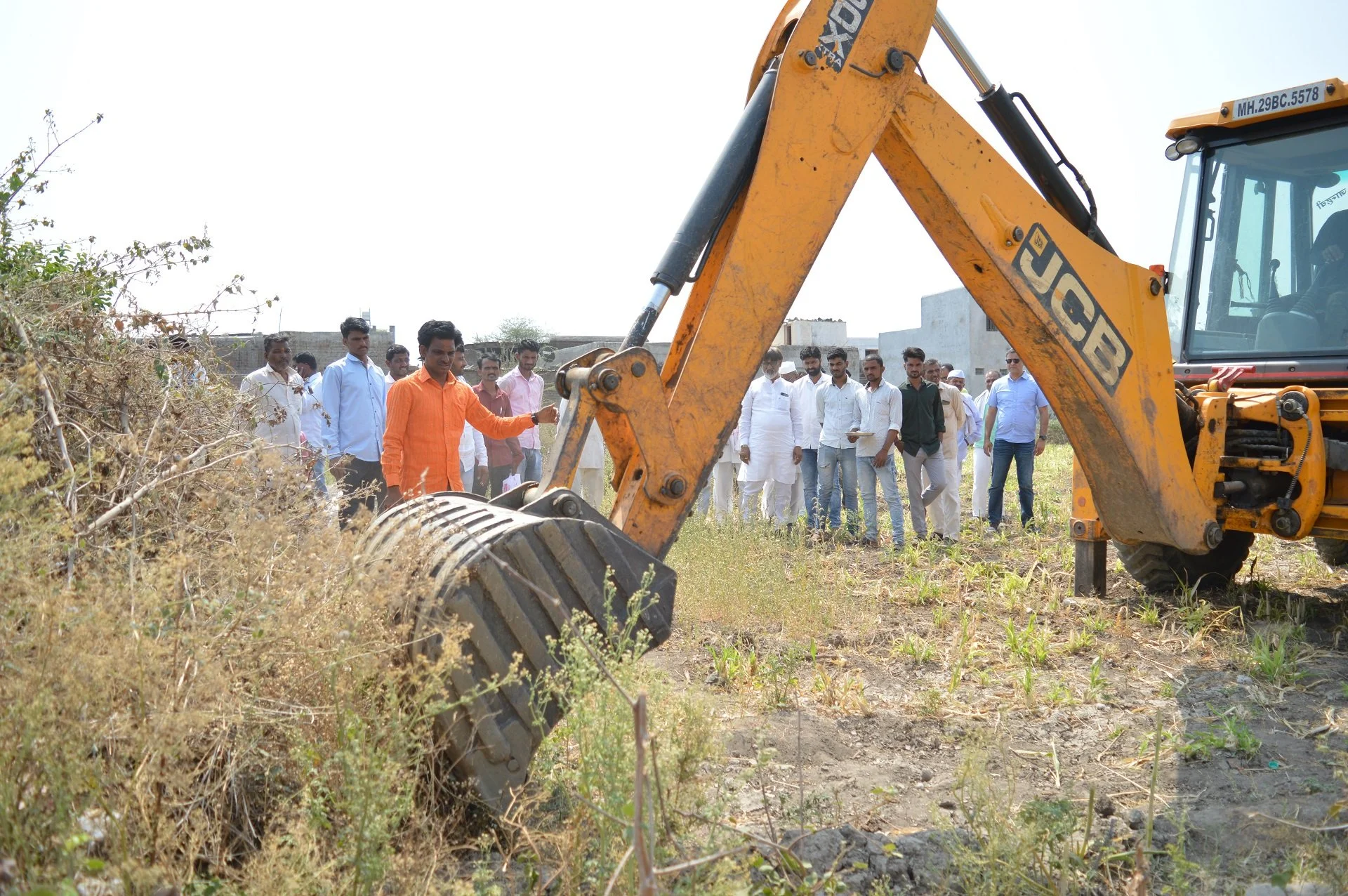
This phase is during the months of April and May, when backhoe machines go from farm to farm digging one 6x4x4 pit at the lowest point in every acre of arable land. Our goal is to dig about 3-4 pits per hour while the farmers and their families fill the pits.
The backhoe machines find it easier to dig when the fields are completely free and open.
Find out about the JalTara Projects
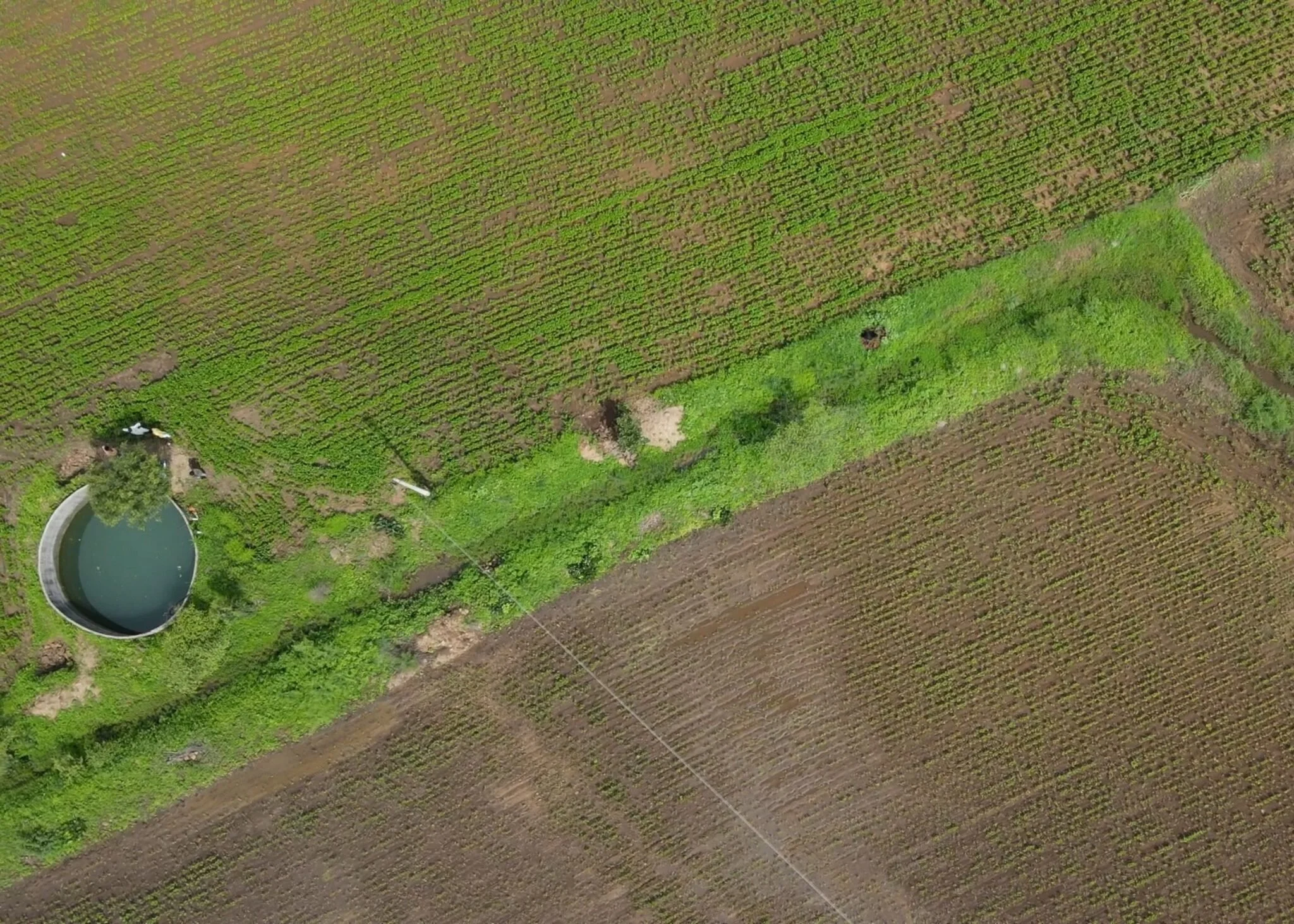
Over the last five years, we have dug over 135,000 recharge pits in 250+ water stressed villages – mostly in the Jalna district of Maharashtra. These villages were impacted by both drought as well as crop spoilage due to heavy rains.