
The climate crisis is primarily a water crisis - The UN
The Global Water Crisis
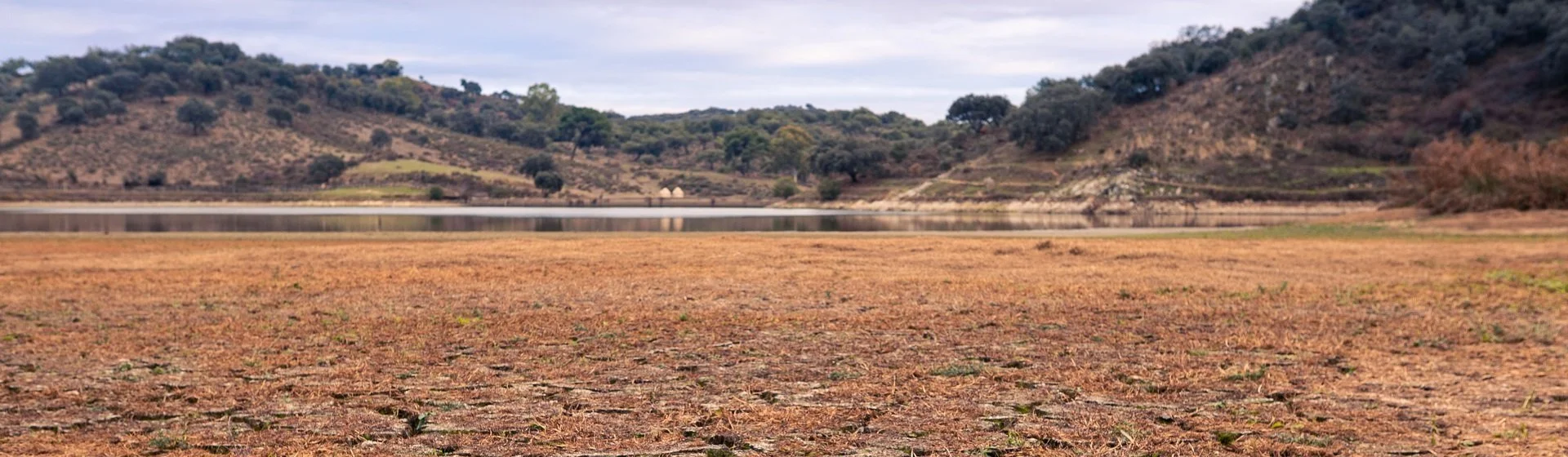
Climate change is primarily a water crisis. We feel its impacts through worsening floods, rising sea levels, shrinking ice fields, wildfires and droughts.
However, water can fight climate change. Sustainable water management is central to building the resilience of societies and ecosystems and to reducing carbon emissions.
- United Nations Water
-
While we normally associate water stress to just lack of water or droughts, the reality is quite different. Floods are a big part of the crisis. In fact, floods and droughts are two sides of the same water-stress coin – with one following the other with disturbing regularity.
Therefore, the global water crisis is in reality a drought and flood crisis. Of all the global natural disasters in the last two decades, 74% have been flood and drought related (UNICEF). Studies show that 20% of global basins have recently experienced either floods or droughts.
In fact, it is estimated that 50% of the global population will be living in water stressed regions by 2030 – making this not only a crisis of magnitude, but one that needs to be addressed urgently.
-
The water crisis is especially hard on rural communities.
Studies have shows that there is a 10% increase in rural poverty if groundwater is not accessible within 25 feet. This economic headwind also increases forced migration by 10%.
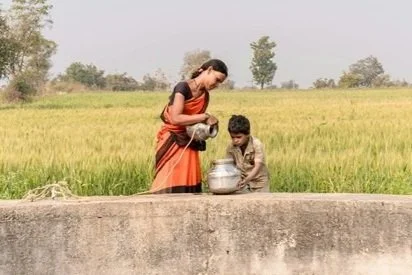
Women and girls are disproportionately impacted – they are burdened with carrying water. Across the globe, collectively they spend 200 million hours every day collecting water (UNICEF). Not to mention the health impact on children – a 20% increase in stunting due to lack of groundwater.
-
With 50% of humanity under risk of water stress by 2030 (UN), we are running out of time to solve this crisis. And we believe that recharding groundwater is the most promising way to solve this, since underground aquifers have 100x the storage capacity of surface freshwater storage such a lakes, rivers, reservoirs (IAH).
This makes groundwater a very compelling place to store water for our use.
We can store more water by soaking up excess rain – and thus prevent floods and act as a buffer for the inevitable lean times
We can save more water throughout the year – because groundwater is less susceptible to evaporation compared to surface water storage.
Better availability of water – surface water is on average ~3km away in rural communities, while groundwater provides true equity of access for everyone
Better livelihoods – consistent availability of water through underground aquifers will reduce poverty and forced migration, while improving health, farmer income, education, animal husbandry and vegetation
However, the world is rapidly depleting these underground aquifers – and our vision with the JalTara approach is to reverse this with massive, global-scale groundwater recharge.

JalTara is our answer to help solve the global crisis
JalTara’s “one recharge pit per acre” approach converts dense farmland soil into an absorbent sponge when done in large numbers – thereby enabling groundwater recharge at massive scale.